Banished | बहिष्कृत
In a small village near Varanasi, four children are forced to live in a graveyard beside the graves of their parents. Although they have a house of their own in the village, the local community refuses to let them return. Even their own uncle supports the decision to keep them away from society.
The children have committed no crime, yet they have been treated like outcasts. Day after day, they struggle to survive among the graves, separated from the rest of the village and deprived of a normal childhood.
The situation comes to light when Deepti, a government worker involved in a population survey, visits the village. While collecting voter and household information, she discovers something unusual. Four living children are missing from official records and are not considered part of the village community.
Curious and concerned, Deepti begins asking questions. She soon learns that the children’s parents died from AIDS several years earlier. Ever since their deaths, villagers have believed that the children are also infected with the disease. Out of fear and ignorance, they forced the children out of their home and made them live near their parents’ graves.
The most shocking part of the story is that none of the children were ever medically tested for HIV. The villagers simply assumed that because their parents were HIV-positive, the children must also be carrying the disease. Fear replaced facts, and prejudice replaced compassion.
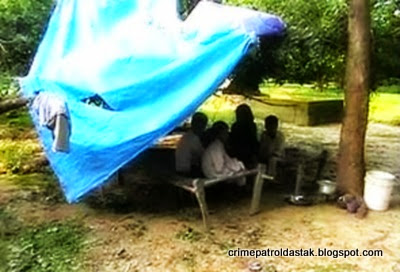 Children forced to live near a graveyard due to social stigma
Deeply disturbed by what she discovers, Deepti shares the story with her son Ashish, a journalist. Ashish visits the village and meets the children personally. The eldest child, Rehan, explains how their uncle and other villagers gradually isolated them from society and denied them the right to live in their own home.
Moved by their suffering, Ashish publishes an article exposing the situation. The story quickly attracts public attention. Soon, media organizations, social activists, and government authorities begin taking notice of what has been happening in the village.
As questions are raised about discrimination, misinformation, and the treatment of vulnerable children, pressure mounts on local authorities to take action. However, changing deep-rooted beliefs proves to be far more difficult than exposing the truth.
Can society overcome fear and prejudice? Will the children finally receive the dignity and acceptance they deserve? Or will years of stigma continue to shape their future?
This is not merely the story of four children. It is a reflection of how ignorance can isolate innocent lives and how awareness can become the first step toward justice.
वाराणसी के एक गांव में चार बच्चे अपने माता-पिता की कब्रों के पास एक कब्रिस्तान में रहने को मजबूर हैं। उनका अपना घर होने के बावजूद गांव वालों ने उन्हें समाज से अलग कर दिया है। यहां तक कि उनके सगे चाचा ने भी उनका साथ देने के बजाय उन्हें गांव से दूर रखने का समर्थन किया।
इन बच्चों ने कोई अपराध नहीं किया है, फिर भी उन्हें बहिष्कृत कर दिया गया है। वे कब्रिस्तान में रहकर अपना बचपन बिताने के लिए मजबूर हैं, जहां उन्हें न सामान्य जीवन मिलता है और न ही समाज का सहयोग।
इस घटना का खुलासा तब होता है जब जनगणना और मतदाता सूची से जुड़ी सरकारी कर्मचारी दीप्ति गांव में पहुंचती हैं। जांच के दौरान उन्हें पता चलता है कि चार जीवित बच्चे गांव के रिकॉर्ड में लगभग गायब कर दिए गए हैं।
पूछताछ करने पर सामने आता है कि बच्चों के माता-पिता की मृत्यु एड्स के कारण हुई थी। इसी वजह से गांव वालों ने मान लिया कि बच्चे भी उसी बीमारी से संक्रमित होंगे। बिना किसी मेडिकल जांच के केवल आशंकाओं के आधार पर उन्हें घर से निकाल दिया गया।
सबसे हैरानी की बात यह है कि बच्चों का कभी HIV परीक्षण तक नहीं कराया गया। गांव वालों ने डर और गलतफहमी के आधार पर उन्हें समाज से अलग कर दिया।
दीप्ति को यह सब जानकर गहरा आघात पहुंचता है। वह अपने पत्रकार बेटे आशीष को पूरी घटना बताती है। आशीष गांव जाकर बच्चों से मिलता है। सबसे बड़ा बच्चा रेहान बताता है कि किस तरह उसके चाचा और गांव वालों ने उन्हें धीरे-धीरे समाज से अलग कर दिया।
आशीष इस विषय पर एक समाचार प्रकाशित करता है। खबर सामने आते ही प्रशासन, मीडिया और सामाजिक संगठनों में हलचल मच जाती है। लोगों का ध्यान पहली बार उन बच्चों की ओर जाता है जो वर्षों से भेदभाव का शिकार थे।
लेकिन क्या केवल खबर छप जाने से सब कुछ बदल जाएगा? क्या गांव वाले अपनी सोच बदल पाएंगे? क्या बच्चों को उनका घर और सम्मान वापस मिलेगा?
यह कहानी केवल चार बच्चों की नहीं है, बल्कि उस सोच की भी है जो डर और अज्ञानता के कारण इंसानियत को पीछे छोड़ देती है।
Here is the inside story of the case:
www.crimestories.co.in/2014/09/crime-patrol-five-children-who-were.html